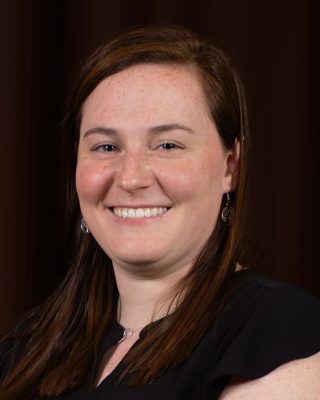
Mijal Altmann will serve as the new statewide youth development specialist for the University of Wyoming Extension.Mijal Altmann. In this role, Altmann will mentor 4-H youth development educators, advise the state 4-H Youth Leadership Team, and lead the Extension Roots Internship Program. This new internship program provides career development opportunities for Wyoming youth by giving them firsthand experience working with Extension offices across the state. Altmann will also build community partnerships, support traditional 4-H educational programs and events, and research the latest findings in positive youth development. Altmann earned her master’s degree from the University of Pennsylvania in 2024. Her graduate research focused on youth empowerment and civic engagement. Most recently, she served as a graduate assistant at Stanford University, focusing on educational trends, youth development, and social-emotional learning. Altmann also worked as the head instructor at an outdoor leadership camp for five years. Originally from Maryland, Altmann looks forward to expanding her horizons in Wyoming and working with youth across the state. “I believe in the power of planting seeds early in kids to help them become competent, independent, and confident members of their communities over time, and this is the perfect role to accomplish that,” says Altmann. Altmann started her new role with UW Extension on Monday, June 16. She can be reached at (307) 766-5125 or maltmann@uwyo.edu.
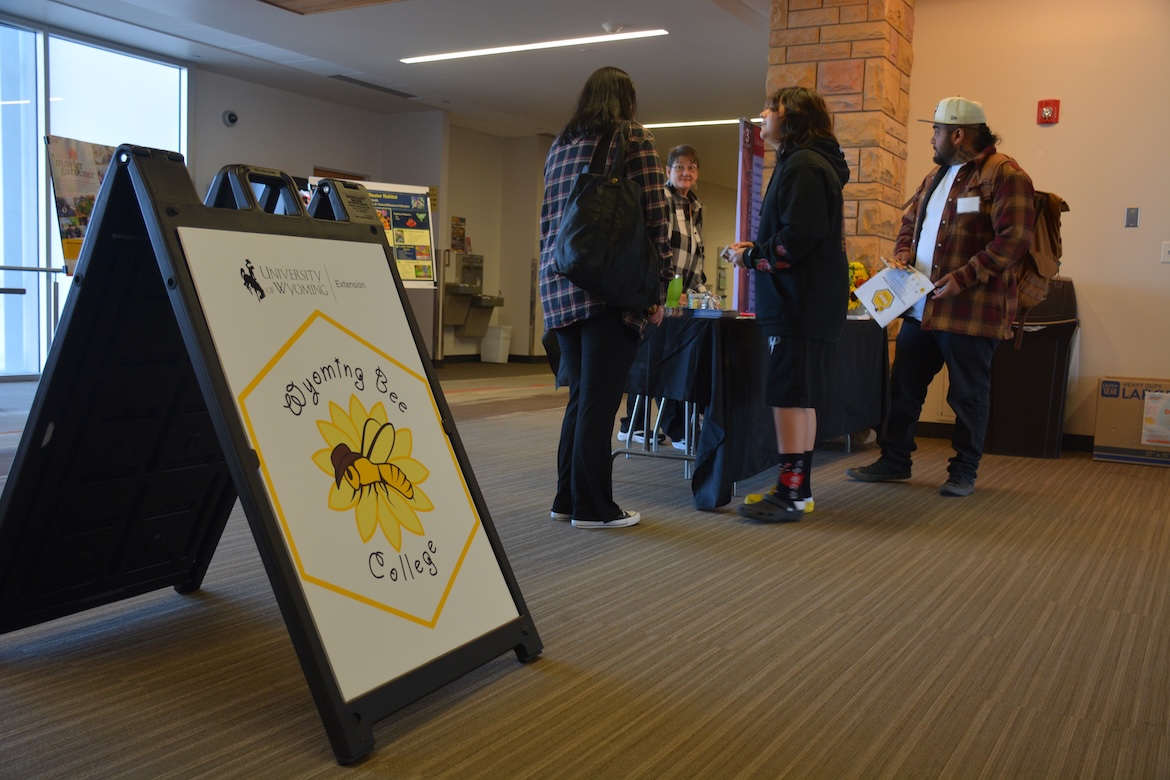
Anyone interested in bees or beekeeping is invited to attend the University of Wyoming Extension’s 2026 Wyoming Bee College, to be held Friday, Oct. 23, through Saturday, Oct. 24. The Wyoming Bee College is designed for people of all ages and skill levels. It addresses beekeeping skills, hive health, specialty products, native bee research, and more.
The University of Wyoming Extension invites new and returning Wyoming 4-H members and volunteers to celebrate National 4-H Week Sunday, Oct. 4, through Saturday, Oct. 10.
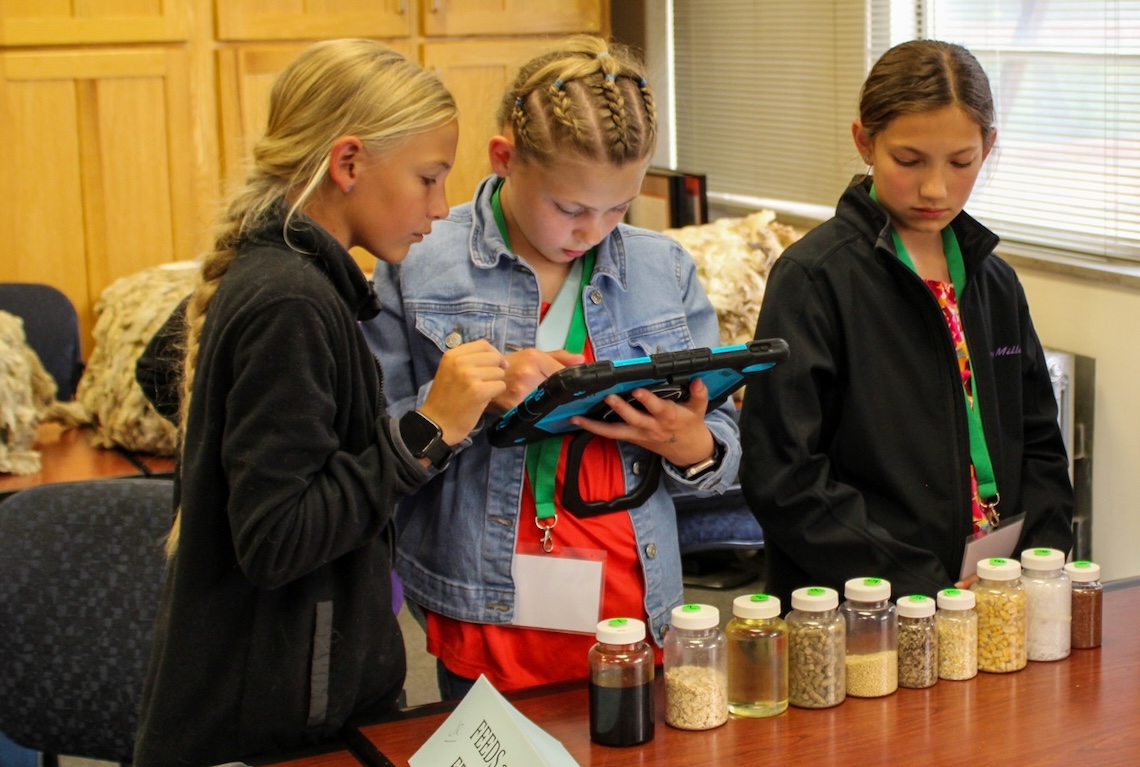
Administered by UW Extension and supported by volunteers across the state, Wyoming 4-H helps youth ages 5-18 build lifelong leadership skills through project-based learning, mentorship, and community engagement.