
After a successful spring season, the University of Wyoming’s collegiate meat judging team finished the meat judging year with an impressive fall performance.
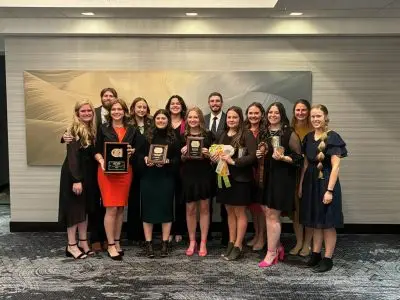
Members of the 2024 collegiate meat judging team are Jordan Anderson, Centre Hall, Pa.; Kristy Benjamin, Boulder; Kaitlyn Brandenburg, Council Bluffs, Iowa; Aida Hester, Hot Sulphur Springs, Colo.; assistant coach Tessa Maurer, Arvada, Colo.; Joe Mills, Peyton, Colo.; Stella Ordahl, Savage, Minn.; Emi Ramirez, Steamboat Springs, Colo.; Hailey Rasmussen, Estes Park, Colo.; Koy Stanley, Midland, Texas; Sarah Turner, Cheyenne; and Samantha Waller, Basalt, Colo.
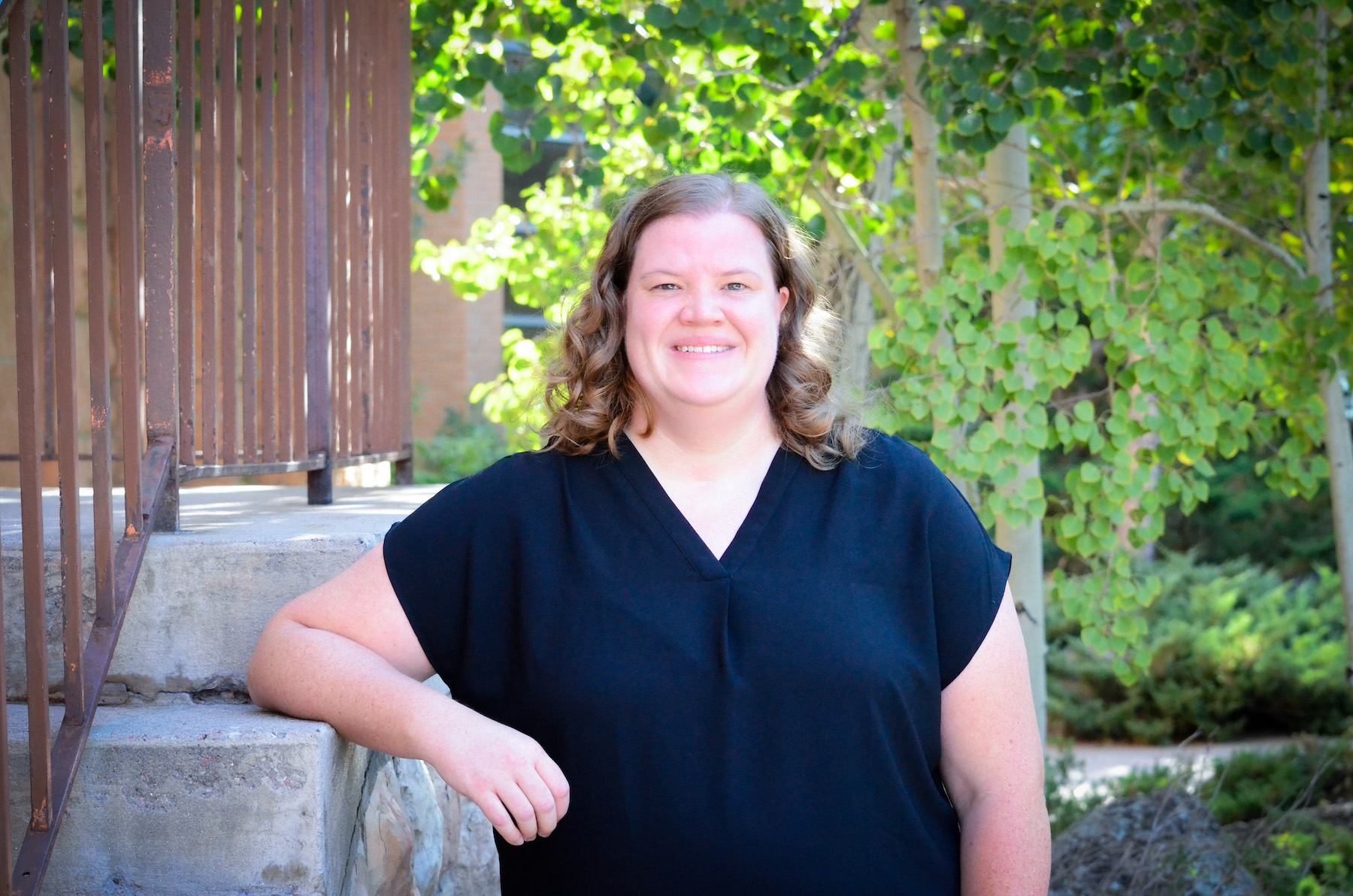
“I don’t know that I’ve ever worked with a group of students that have been so closely connected,” says McKensie Phillips, UW collegiate meat judging team coordinator. “This year especially, they were all very enthusiastic and motivating for each other. They really committed to figuring out where their performance was and improving it.”
The UW team finished in the top 10 overall in all four contests they competed in during the fall season. They achieved both individual and team successes, particularly in their last two tournaments.
In their third contest of the season, the team finished third in lamb judging at the Cargill High Plains Meat Judging Contest in Friona, Texas. UW judgers Kaitlyn Brandenburg, Aida Hester, Joe Mills, Hailey Rasmussen, and Sarah Turner each earned a perfect score in the specifications division. Brandenburg also finished second in the beef grading category, third in overall beef, and first in the placings division, earning her a 10th place overall finish.
The UW team’s final contest of the year, the American Meat Science Association’s International Intercollegiate Meat Judging Contest, took place in Dakota City, Neb. The team again won third in lamb judging and two students finished in the top 10. Hester achieved seventh place and Turner finished ninth overall.
The 2024 team has now completed their final season of collegiate meat judging. Members of collegiate judging teams are eligible to compete for one year, beginning with a spring season and concluding in the fall.
At the end of the fall season, judgers from each collegiate team honor one of their members who exemplifies the work ethic, teamwork and supportive attitude of Rachel Hamilton, a former program director of the Intercollegiate Meat Judging Program. The UW meat judging team nominated Stella Ordahl as UW’s Rachel Hamilton Memorial Spirit Award winner for her positivity, enthusiasm, and dedication.
To learn more about meat judging at UW, contact McKensie Phillips at mckensie.phillips@uwyo.edu or (307) 766-2334.