

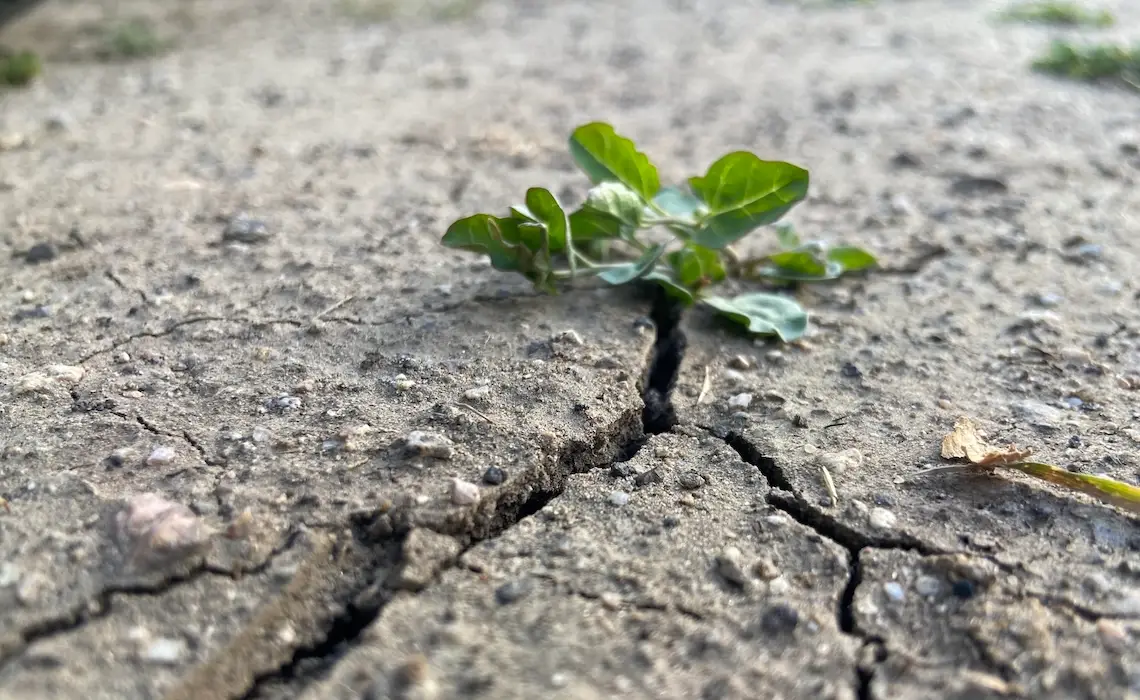
The start of the growing season has been dry, brown, and disappointing for many agricultural producers around Wyoming. Add to that the stress of navigating complex commodity markets and the strain of daily operational and family dynamics, and it’s shaping up to be a very challenging season.
When struggling with feelings of isolation or hopelessness, it is important to remember that help is always available. Wyoming is often referred to as a “small town with a long main street.” As such, Wyomingites are all neighbors who should do what we can to take care of one another.
The difficult reality
It is an established fact that Wyoming struggles with suicide. The state ranks above national averages for deaths by suicide per capita according to the U.S. Centers for Disease Control and Prevention—the 2024 per capita rate of Wyoming suicides was double that of the national average.
Working in agriculture means confronting a harsh natural environment, facing rural isolation, working alone for long stretches and, for many, bearing the pressure of managing an asset-rich, cash-poor multi-generational business. These conditions would be a crucible for anyone.
Despite the once-common attitude that someone’s best solution was to “cowboy up” and bootstrap themselves out of a tough patch, a more helpful perspective is that asking for help is a courageous act.
Help is available
Agriculture has some industry-specific pressures and complicating factors. It can be helpful to talk about stress with someone who understands the unique burdens of working in agriculture and without worrying that personal matters end up in conversation at the local coffee group. Small towns are small towns, after all.
The good news is that teams of experts have developed resources and made them available for free.
To speak anonymously with someone who is trained to understand the unique burdens of agriculture, the AgriStress Helpline is 1-833-897-2474. This service is free, confidential, and available 24/7 by call or text. More information on the AgriStress Helpline and the AgriSafe Network can be found at https://bit.ly/agristress-helpline.
If you or someone you know is struggling with thoughts of suicide, the 988 Suicide and Crisis Lifeline is free, confidential, and accessible 24/7 by call or text.
When in doubt, talk it out
Talking about frustrations and stressors can help reduce feelings of isolation and thoughts of self-harm. Research has shown that by participating in cognitive behavioral therapy with a licensed mental health counselor, agricultural producers have improved mental health outcomes related to anxiety, depression, and stress.
Vouchers for up to six counseling sessions have been made available by the Wyoming Department of Agriculture in partnership with the Office of Governor Gordon.
More information can be found at https://bit.ly/ag-stress-voucher or by emailing Sheila Ricley at sricley@thealignteam.org. Reimbursements for sessions with Wyoming licensed mental health professionals are available for services rendered now through December 30, 2026.
Prioritize healthy coping strategies
Even mild stress levels can have detrimental effects on a person’s health and well-being. The negative impacts of stress can be reduced or eliminated when a person prioritizes taking care of their physical body, engaging in healthy coping strategies, and reaching out to trusted individuals.
Taking care of physical needs seems obvious, but it’s worth the reminder that people function best when they are properly hydrated, fueled, and rested.
Meeting basic needs in terms of staying hydrated, eating a healthy diet, and getting enough sleep at night contribute to overall wellness. Fried convenience foods and late-night scrolling might feel good in the moment, but can lead to longer-term issues.
Coping strategies are thoughts or behaviors that help people navigate tough emotions or stressors. Lengthy lists of healthy coping strategies can be found online from a variety of sources.
Examples of common healthy coping strategies include deep-breathing exercises, taking a walk (bonus points if it is outside in fresh air), spending time with a pet, or writing in a journal. Try turning to these instead of unhealthy coping strategies, which might include drinking alcohol, engaging in impulsive behaviors like gambling or online shopping, blaming others, or simply ignoring the problem.
Turning to trusted people like family and close friends is one of the best ways to feel heard and to have emotions validated. Sometimes the act of talking it out in conversation is enough to alleviate the stressor. However, bear in mind that these people also have their own stressors to navigate and that some issues are best discussed with a licensed mental health professional who has the proper training to assist someone in distress.
By seeking out a good listener when needed and being a good listener when someone else is in need, we build strong networks of support. These social safety nets can help us de-stigmatize hard conversations around self-harm and serve us all as we support one another in times of distress.
In addition to the resources listed above, further suicide prevention trainings and resources can be found through the Wyoming Department of Health at https://bit.ly/WY-state-prevent.
Micah Most is the University of Wyoming Extension agriculture and natural resources educator serving Johnson County. He can be reached at mmost@uwyo.edu or 307-684-7522.