

In today’s world, we’re bombarded by thousands of cheap clothing options. It’s easy to pick up new clothes for the summer—and it’s easy to dispose of these items, too. When we wear holes through our pants or deem a new purchase scratchy and uncomfortable, we can simply donate it or throw it away.
But in associate professor Jennifer Harmon’s Introduction to Textile Science class, UW undergraduates learn that disposing of clothing and other textiles is not as simple as it seems.
Cotton in the curriculum
Introduction to Textile Science has always featured hands-on activities, but in 2024, Harmon created new ways for students to explore textile recycling. To help support these activities, Harmon secured a grant from Cotton Incorporated, a not-for-profit company established to support the U.S. cotton industry by researching and sharing knowledge about using cotton.
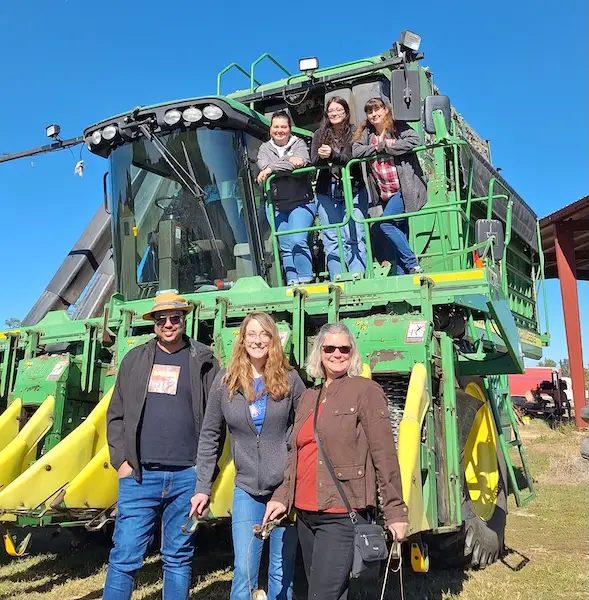
As part of the grant, a group of Harmon’s students visited Cotton Incorporated’s headquarters in North Carolina. The trip gave students a chance to talk with textile industry leaders, tour a family-owned cotton farm, and see the cotton production cycle from start to finish. Most textile production facilities focus on just one part of the production cycle, but at Cotton Incorporated, students could watch the whole process, from cleaning cotton to spinning yarn to knitting a sweater.
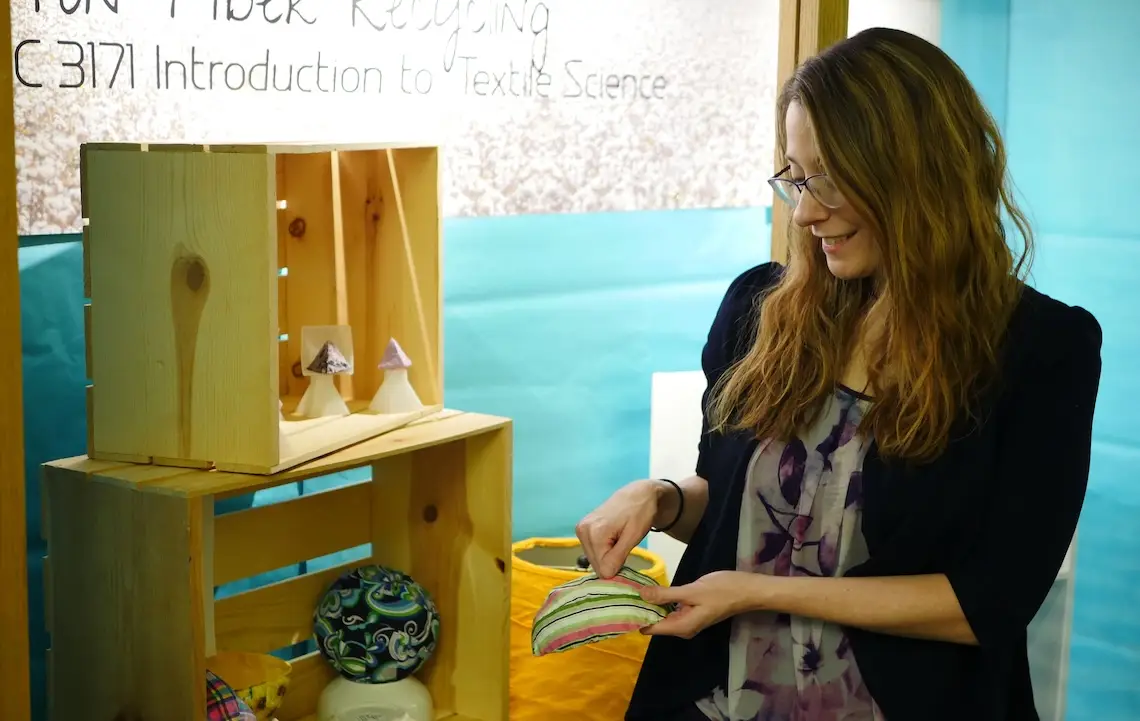
Back at UW, students experienced what happens after a garment is worn out. They broke down cotton T-shirts into paper and tried out fabric mâché. To create fabric mâché, textiles are cut up into pieces, then mixed with water and glue to form a paste, which can then be molded into new shapes.
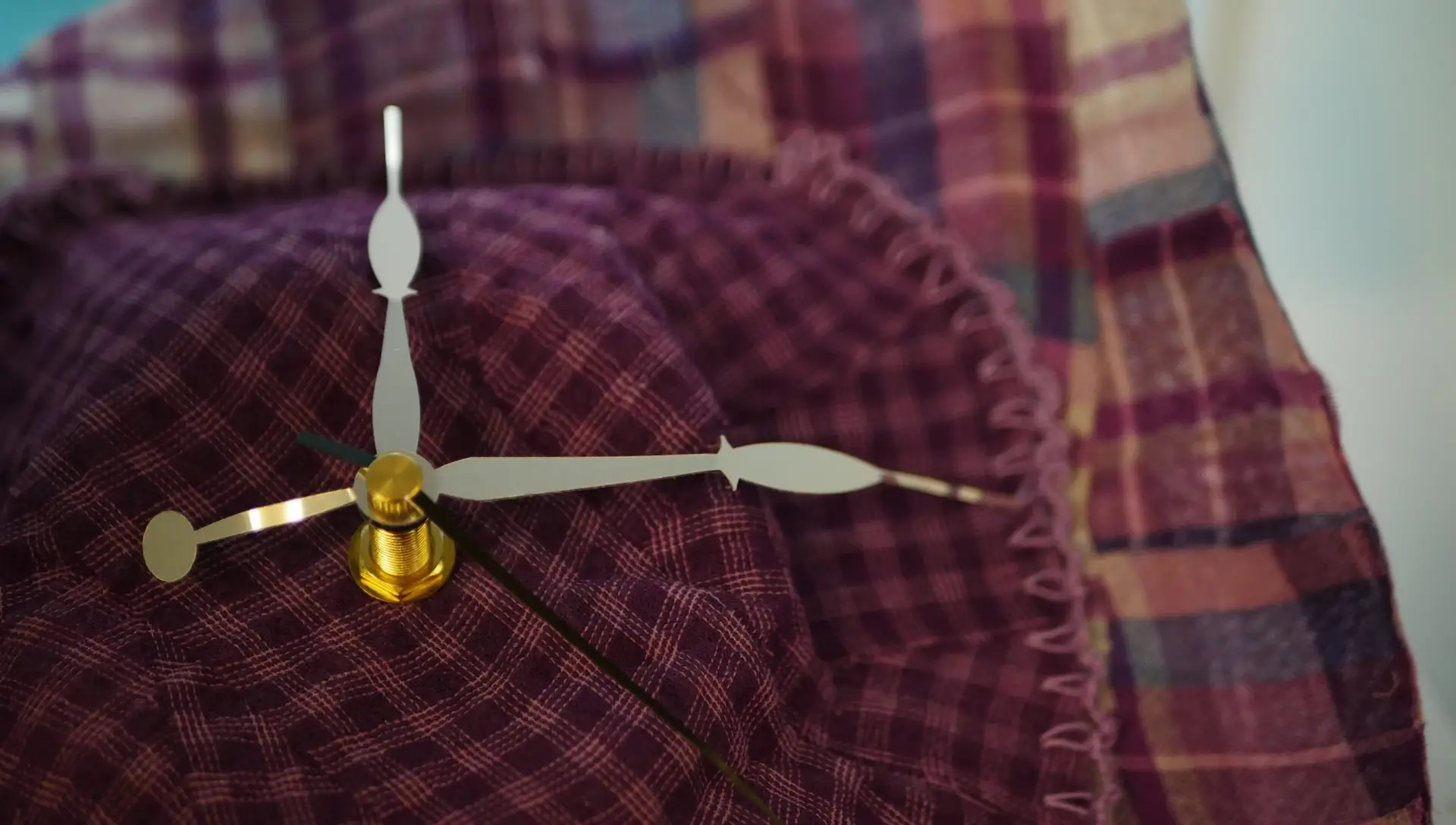
During their final project, the students aimed to develop commercially viable recycled fabric products. Students came up with unique ideas like a fabric mâché clock, chess pieces, and even artificial nails.
“I tend to get positive feedback on those exercises and how it has helped [students] think about textile recycling in a different way, and how they didn’t really realize before how complex it was,” Harmon reflects.
Why is recycling textiles so difficult?
Like Harmon’s students, most textile recycling operations use mechanical recycling methods. The fibers of the item are cut or shredded into lint, then re-formed into new fibers and fabrics.
This process reduces the strength and quality of the resulting fibers, limiting the items that can be created. In addition, mechanical recycling tends to work poorly for items that are made from a mix of fiber types. For example, a shirt that contains rayon, cotton, and polyester fibers would be very difficult to recycle mechanically.
Chemical recycling can break down textiles that contain a mix of fiber types. But this process typically requires an industrial setup to avoid polluting surrounding areas with chemical byproducts. In addition, many textiles are treated with “forever chemicals” designed to make them water, oil, or stain resistant. Most chemical recycling processes are not built to handle these chemicals, so recycled materials may end up contaminated with chemicals that can cause health issues.
“Textile recycling technology itself is really in its infancy,” says Harmon.
Cast-off fashion
Recycling textile waste is difficult—but the alternative may be worse.
Harmon comments, “We view clothing like any other disposable good, but it really doesn’t behave that way when we follow it after it’s disposed of.”
Many thrift shops don’t sell all of the clothing donations they receive—at least they don’t sell them in the U.S., Harmon explains. Instead, clothing items are often shipped to other countries to be resold in overseas markets.
Unfortunately, the exported items are often incinerated or dumped in open-air landfills because there are far too many castoffs to sell. Many of these landfills are not lined, which means microplastics, dyes, bleaches, and other chemicals from the clothing can leach into the soil, creating health risks for nearby communities. Incinerating clothing pollutes the air.
Not all discarded textile waste comes from consumers. Companies also create many clothing items that are never sold. Harmon predicts that companies will eventually be required to recycle the clothing they create, just like mines must have a reclamation plan for the land they disturb.
In the meantime, Harmon recommends if you have a ripped or stained article of clothing, think twice before donating it to a thrift shop. First, try repairing it, reusing it by cutting it into rags, or even throwing it away. At least if you toss the item in the trash, it will end up in an American landfill designed to avoid contaminating the local area.
As Harmon’s students learned, buying fewer textiles or buying sustainably produced, long-lasting items is one of the most effective ways to prevent textile waste. Even finding items that are made of just one type of fiber, especially natural fibers like cotton, can make a difference.
This article was originally published in the 2025 issue of Roots & Ranges, an annual magazine published by the UW College of Agriculture, Life Sciences and Natural Resources.