

University of Wyoming President Ed Seidel has recognized faculty members who demonstrate high achievement in scholarship through the 2024 Presidential Scholarly Achievement Awards.
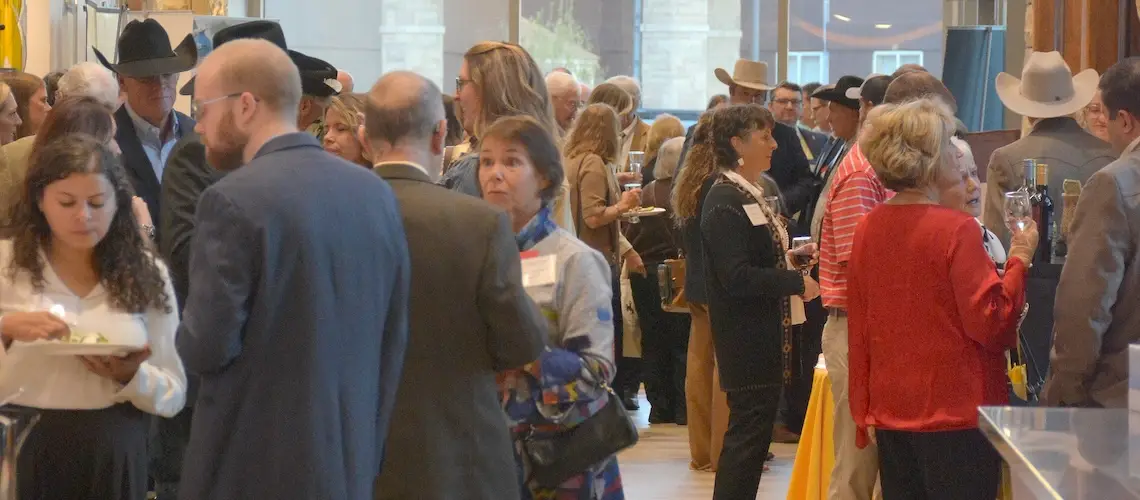
Started by Seidel in 2022, the awards include two tracks: one for tenured faculty members and one for early-career faculty members. Each track includes a monetary award and recognition at the President’s Commencement Dinner Thursday, May 9.
“This year’s cohort of faculty receiving the Presidential Scholarly Achievement Awards shows exceptional commitment to scholarship that advances their disciplines, UW, and the state of Wyoming,” Seidel says. “I am grateful to have such talented faculty at UW.”
The Presidential Scholarly Achievement Awards for tenured faculty at associate or full professor ranks who have demonstrated significant achievement focus on different colleges or disciplines each year. This year, the focus is on the colleges of Business and Education. The winners of the honors, which include a cash award of $2,500 each, are:
- Ali Bicer, associate professor of mathematics education.
- Todd Cherry, John S. Bugas Chair and professor of economics.
- Ana Houseal, professor of elementary and early childhood education.
- Linda Price, professor and Dick and Maggie Scarlett Chair of Business Administration.
Recipients of Presidential Scholarly Achievement Awards for early-career faculty, which involve an award of $5,000 toward scholarship activities, include several instructors in the College of Agriculture, Life Sciences and Natural Resources:
- Grace Shearrer, assistant professor of human nutrition and food in the College of Agriculture, Life Sciences and Natural Resources.
- Ellen Aikens, assistant professor of zoology and physiology in the School of Computing and the Haub School of Environment and Natural Resources.
- Riley Bernard, assistant professor of zoology and physiology in the College of Agriculture, Life Sciences and Natural Resources (UW-Casper awardee).
- Dana Caulton, assistant professor of atmospheric science in the College of Engineering and Physical Sciences.
- Curt Davidson, assistant professor of outdoor recreation and tourism management in the Haub School.
- Katelyn Kotlarek, assistant professor of craniofacial disorders and imaging in the College of Health Sciences.
- Alison Mercier, assistant professor of elementary education in the College of Education.
- Kasey Stanton, assistant professor of psychology in the College of Arts and Sciences.
- Patrick Witz, assistant professor of accounting and finance in the College of Business.
This story was originally published on UW News.