

On Saturday, Oct. 8, the University of Wyoming Extension and partners will host a tree care workshop at the Agriculture Resources & Learning Center in Casper, located at 2011 Fairgrounds Road.
Sponsors include the City of Casper, Wyoming State Forestry Division, Natrona County Conservation District and International Society of Arboriculture (ISA) Rocky Mountain Chapter.
The event is open to tree enthusiasts, tree owners and industry professionals, says Donna Hoffman, UW Extension educator and organizer of the event.
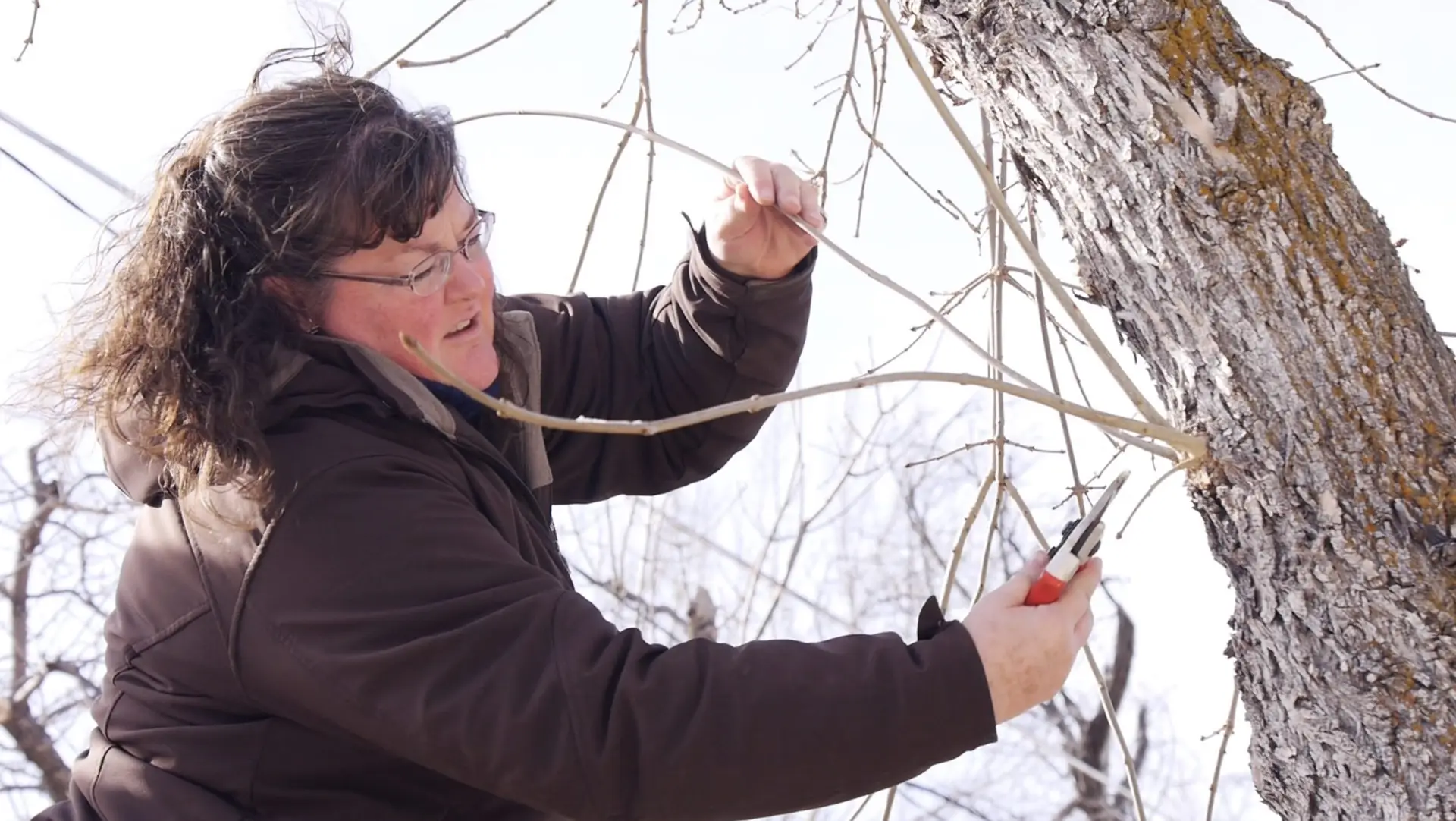
The workshop is designed to be accessible and educational for both at-home arborists and those who climb up into the trees to provide professional services. “We need to do all we can to support the arborists and support our urban forests,” Hoffman comments.
Certified arboriculturists can earn 5.5 ISA Continuing Education Units (CEUs) by attending the workshop.
The event begins at 9:00 a.m. and features presentations by four subject matter experts. First, ISA Master Arborist William Scott Jr. will offer tips on how to choose the “right” tree for a particular environment (spoiler alert: that means considering utility line placement as well as cold hardiness).
Next, Daniel Burcham, assistant professor of arboriculture and urban forestry at Colorado State University, will share techniques for increasing wind resiliency, a hot topic for many arborists in the region.
Afternoon presentations by Mike Tilford and Jim Tough, professional arborists from SavATree, will focus on safety in arboriculture and pruning basics. “We’re hoping to educate the public on all of the safety precautions that they have to take and how that translates into the cost of having tree work done,” says Hoffman.
“As an arborist, I know we always pick something up as far as pruning skills go,” she adds.
Lunch is included in the $25 registration fee. For more information or to register for the event, please call (307) 235-9400 or visit the Agriculture Resources & Learning Center.
Participants are asked to register at least one week in advance if possible. Prepayment is preferred, cash or check only. For those unable to sign up ahead of time, registration will be available at the event.
The workshop concludes at 3:30 p.m.