

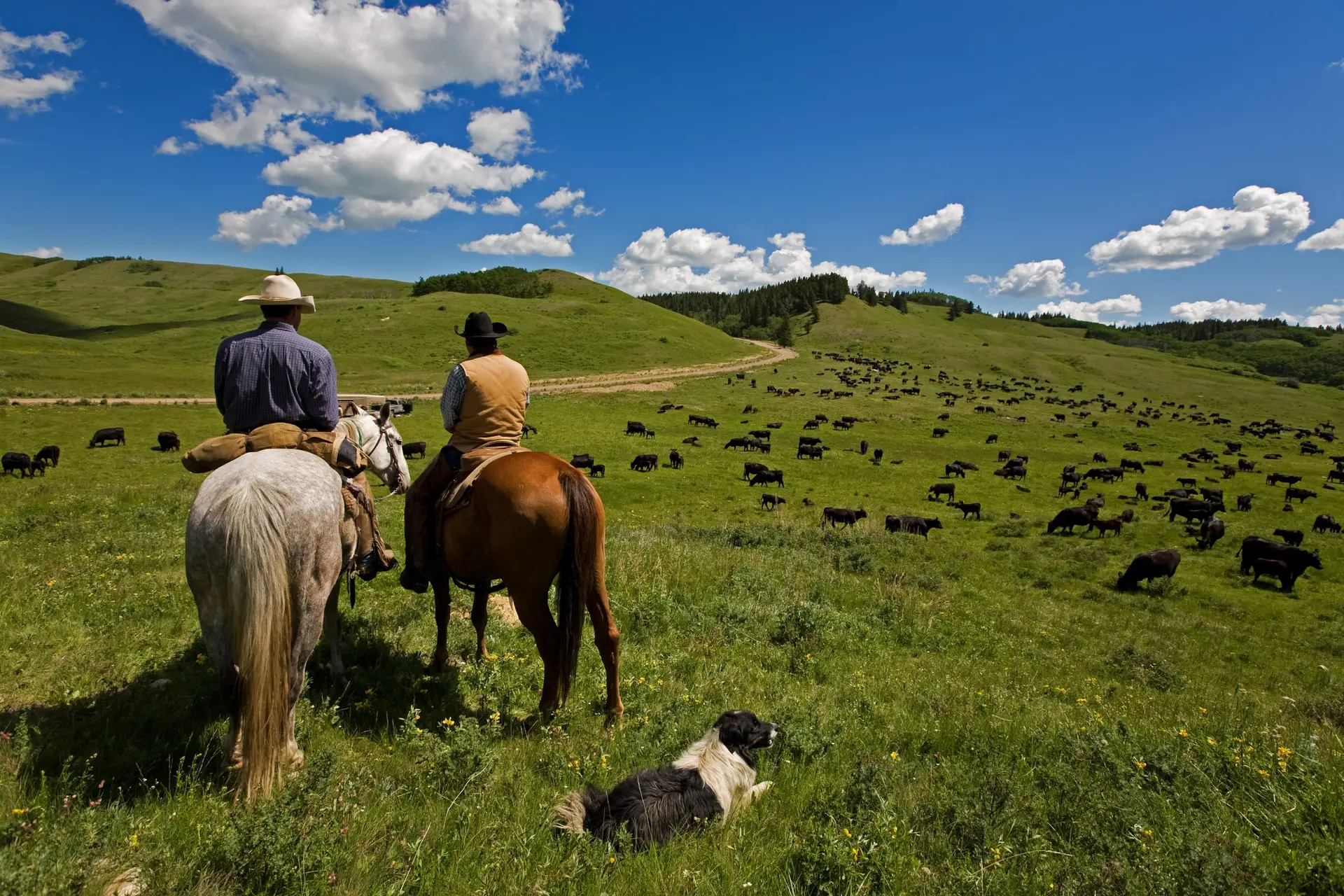
The GrowinG Internship Program is now accepting applications for 2022. This program is part of a broader project offering education and practical experience to beginning farmers and ranchers across Wyoming.
Goals of the internship program are to provide hands-on internships at working farms and ranches to Wyoming’s beginning farmers and ranchers each year in cooperation with state producer organizations and educational institutions. Applications to become involved are now being accepted from potential interns and site hosts.
The program will fund around 10 internships per year with stipends of roughly $4,500 per internship. Eligible individuals will be 18 years or older who identify as someone who is ready to begin farming or has been involved in farming/ranching for less than 10 years.
GrowinG interns that are also degree-seeking students are encouraged to seek academic credit for participating in the GrowinG Internship Program. Academic credit must be arranged in advance between the student and an academic advisor with the granting educational institution.
Interns selected to participate will spend about 90 days on a host farm or ranch assisting with daily activities, learning from the manager and others. Successful candidates will work with the site host to establish start and end dates once an award has been made. Taking part in at least one agricultural educational event within the time frame of the internship is also expected.
“Weekly work summaries will help the intern reflect on day-to-day work, educational experiences throughout the duration of internship,” noted Ben Rashford one of the project coordinators. “Summaries will be posted to the project site to help others understand the benefits of participation.”
Operators selected to host interns agree to provide room and board for the internship experience. Hosts will work with the intern to provide educational and safe learning experiences for the intern, keeping in mind their learning objectives where possible.
“We encourage interested interns and agricultural operators to apply now,” said John Hewlett project co-coordinator. “A state committee will select candidates and match interns with host sites in early March.”
Online application forms are available at: GrowinG-WY.org. Separate tabs provide links to the intern and host application materials. The site also offers background information on the overall project, as well as valuable links to a collection of helpful resources and materials.
DEADLINE for applications is February 28. For more information contact the GrowinG Internship Program at information@GrowinG-WY.org or GrowinG-WY.org.
Ben Rashford is Department Head and Associate Professor in the Department of Agricultural and Applied Economics in the University of Wyoming College of Agriculture and Natural Resources. Rashford may be reached at (307) 766-2386 or brashfor@uwyo.edu. John Hewlett is a farm and ranch management specialist in the department. Hewlett may be reached at (307) 766-2166 or hewlett@uwyo.edu.