

Data corrected in effects of COVID-19 on Wyoming unemployment publication

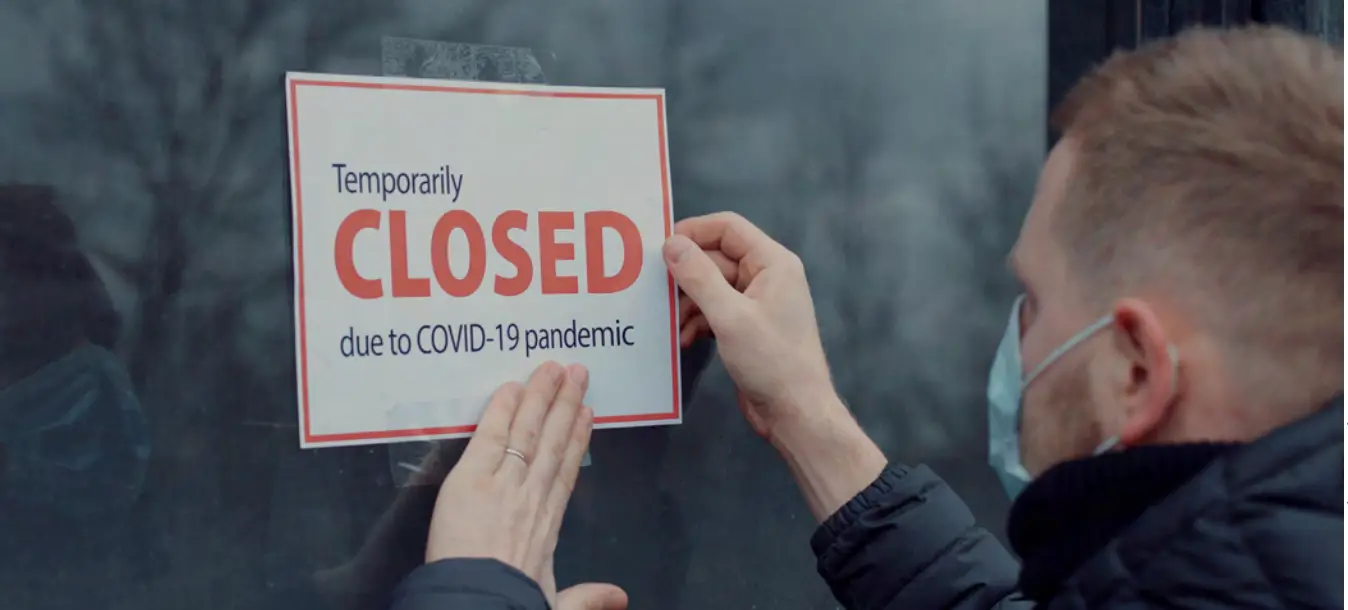
Individual hanging Closed sign on business

Data in a report about the early effects of COVID-19 on Wyoming unemployment mistakenly counted weeks of unemployment rather than individuals and has been corrected.

Effects of COVID-19 on Wyoming Employment details some of the early economic impacts of the COVID-19 pandemic on employment across Wyoming.

Anders Van Sandt, University of Wyoming assistant professor of regional economics and extension specialist, who wrote the report said he was informed of the data error by the agency that calculated some of the data.

“The original bulletin used weeks of unemployment claims each month rather than unique individual claimants,” said Van Sandt.

The data in Figure 2 and Table 3 in the bulletin were inflated since a unique claimant may claim multiple weeks of unemployment per month, shared Van Sandt.

“This means that some of the figures presented in the report overestimate unemployment across industries,” said Van Sandt.

The updated bulletin reflecting these changes is at https://bit.ly/covid-wy-2020-employment.
Individual hanging Closed sign on business

Share the Post:

Related Posts

field containing a thick strip of yellow grass with mostly green grass to the right side

UW-Led Institute Releases Film Highlighting 10 Years of Collaborative Invasive Grass Management

The University of Wyoming’s Institute for Managing Annual Grasses Invading Natural Ecosystems (IMAGINE) has released a short film highlighting a decade of collaborative efforts to manage invasive grasses in northeast Wyoming.

The film, titled “Northeast Wyoming Holds the Line Against Ventenata & Medusahead,” features the Northeast Wyoming Invasive Grass Working Group (NEWIGWG), one of the largest invasive grass working groups in the U.S.

Read More
Four people stand in a field; Jahshua Sanchez is holding a bird.

UW’s WYOBIRD Contributes to Study on Climate Sensitivity Among Tree Swallows

Across the board, tree swallow populations have similar sensitivity to warming amid climate change, but different abilities to respond to change. Breeding dates have advanced about one day per degree of warming, but northern populations face tighter time constraints and greater exposure to warming, according to recent research that included University of Wyoming students and faculty in the Wyoming Bird Initiative for Resilience and Diversity (WYOBIRD).

Read More