


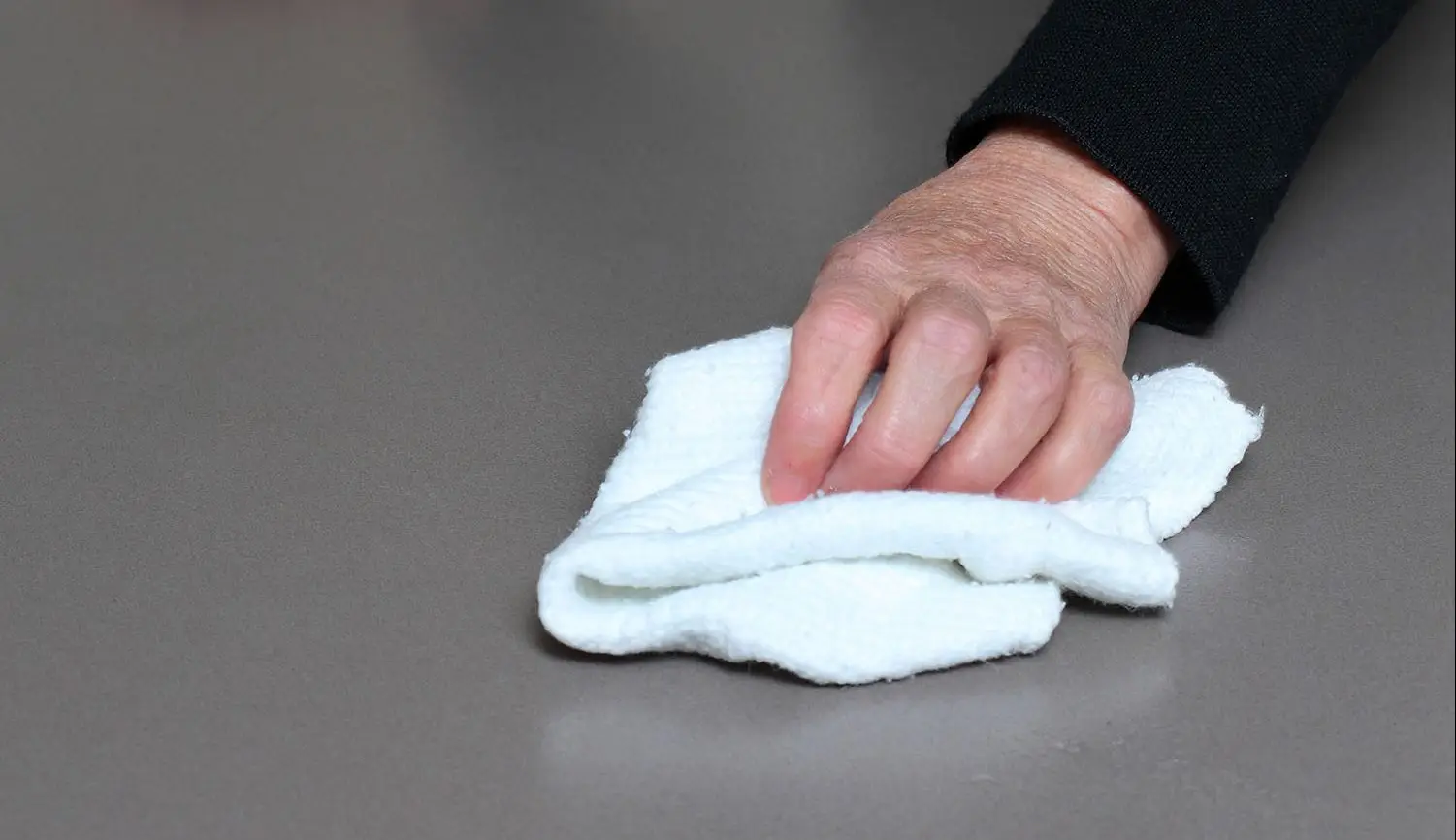
 Hand washing is one thing but using the big guns of cleaning and sanitizing can decimate the coronavirus threat at home and in a workplace.
“Cleaning and sanitation are not the same, but are steps in the overall process,” said Gleyn Bledsoe, a food scientist working with the Wyoming Food Coalition and the University of Wyoming Extension.
Bledsoe, an AmeriCorps VISTA volunteer working with UW Extension in Laramie to form the coalition, said National Institutes of Health findings show the virus was detectable in aerosols for up to three hours, up to four hours on copper, up to 24 hours on cardboard and two to three days on plastic and stainless steel.
Dishes and cooking appliances probably fall into the two- to three-day range, said Bledsoe, who received a doctorate in food engineering from the University of Washington.
Cleaning is the process, both chemical and physical, of removing dirt, food or soil from surfaces. Sanitizing is the process that results in removing or killing bacteria and viruses. Sanitizing is not effective without first cleaning the surfaces of concern, he said.
Several types of cleaning agents can be used, each with a specific function. What’s right for one use may not be right for another, said Bledsoe. Choose a product that fits your needs. The proper type of cleaner must be used in correct proportions for each cleaning task.
- Soaps and detergents are general purpose cleaners while heavy duty detergents are often used in dish washing machines.
- Abrasive cleaners contain a gritty material that helps scour off grease and heavy soil.
- Acid cleaners are used to de-lime equipment such as sinks, dish machines and ice machines.
- Degreasers are often used on equipment, floors and walls where there is a heavy grease buildup.
There are some disadvantages with some types of cleaners. They may react with some types of surfaces, he said. For example, highly alkaline detergents shouldn’t be used on aluminum pans or cooler walls because they will pit the surface.
Sanitizing is the second critical step, he said.
- A completely clean surface is essential prior to beginning the sanitizing process.
- Change the sanitizing solutions as often as necessary to keep them clean and effective.
- Maintain the sanitizing solutions at the proper strengths as per the product label recommendations.
- The temperature of water is specific to the type of sanitizer being used. For example, water that is too hot can cause chlorine to evaporate from a solution.
- Allow the equipment and utensils to remain in the sanitizing solution for enough time. The proper time will vary depending on the sanitizer used.
Chemical sanitizers should be used that meet the needs of or conditions at an operation. Chlorine, iodine (iodophors), quaternary ammonia, and acid-detergents are the more common types used in home and workplace operations, including retail, he said. There are other types for specific and commercial purposes.
There are benefits to each type of chemical sanitizer.
“The one you choose for your operation should be based on your water quality, including factors such as hardness and pH, and types of surfaces you are sanitizing,” said Bledsoe.
Different chemical sanitizers are more effective than others on different kinds of bacteria or viruses. Chlorine based sanitizers are the most commonly available and most contain sodium hypochlorite at a concentration of 5 percent, he said.
“The key is you must follow the label use instructions for the sanitizer you use,” said Bledsoe. “More is not always a good option and may actually reduce the effectiveness of the chemical.”
For more information, contact Bledsoe at Gleyn@live.com or at 206-612-6980.